The Goodness and Benefits of Hemp Seeds
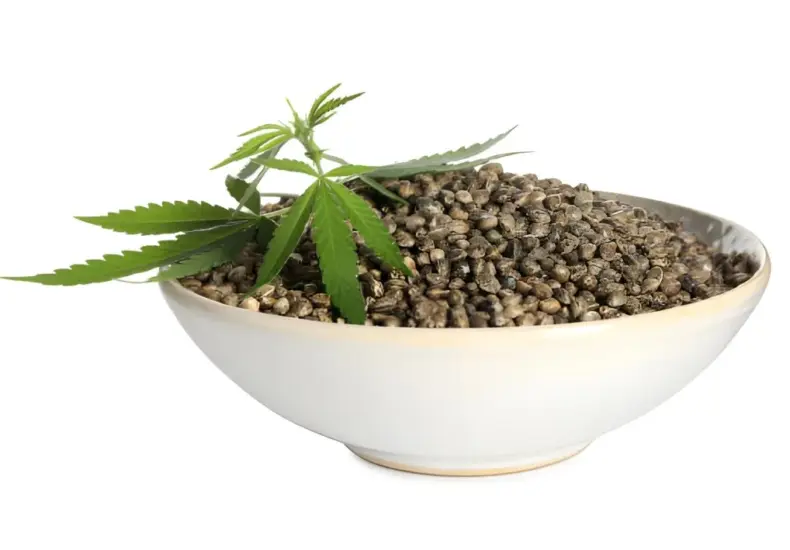
Many people consider hemp seeds a superfood. This is because they have a rich nutritional profile and offer various health benefits. These include protecting the brain, improving heart health and improving skin conditions.
Although hemp seeds come from the Cannabis sativa plant, they do not produce mind-altering effects.
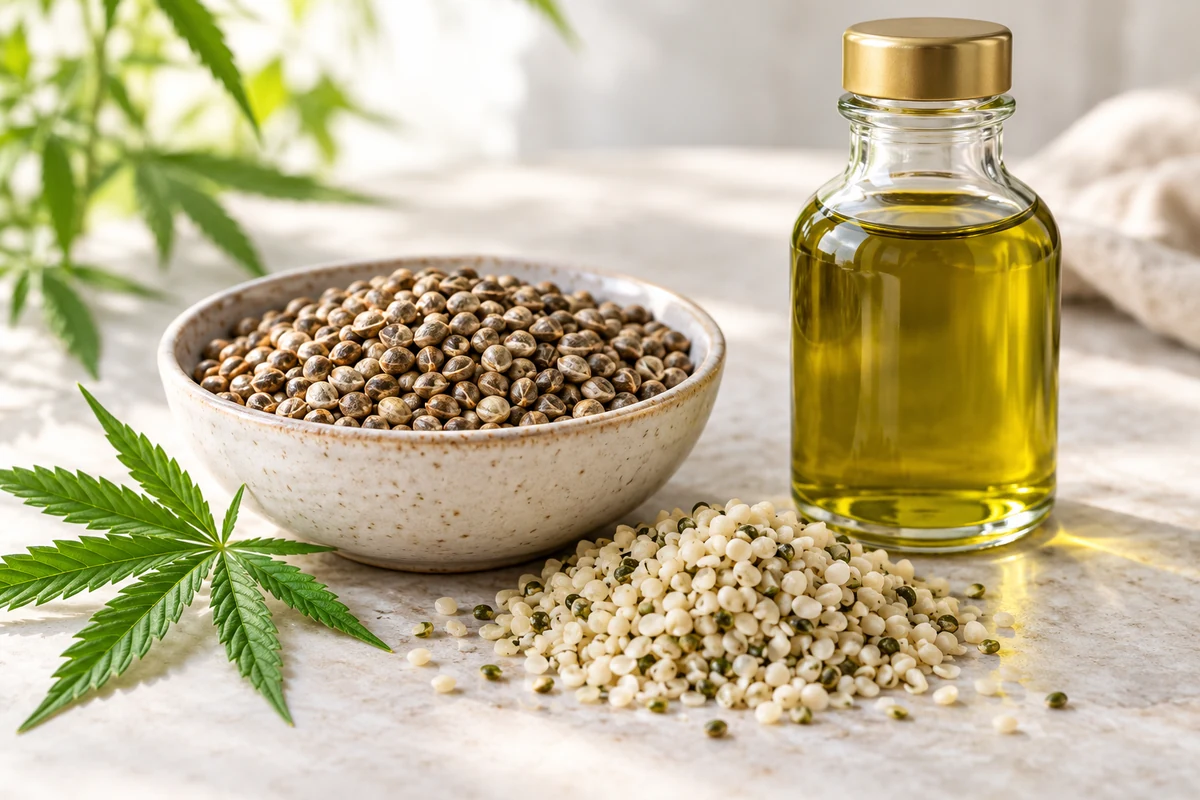
These small brown seeds are rich in protein, fibre and healthy fatty acids, including omega-3 and omega-6. They also have antioxidant effects that may help reduce the symptoms of various diseases. With consistent consumption, they can improve the health of your heart, skin and joints.
In this article, we look at the different benefits of hemp seeds and share tips for adding them to your diet.

Nutritional Benefits of Hemp Seeds
These seeds are packed with nutritious compounds, including:

Protein
Hemp seeds contain almost as much protein as soybeans. Every 30 grams (g) of seeds, or about three tablespoons, contains 9.46 g of protein.
These seeds are a complete source of protein, meaning they provide all nine essential amino acids.
Amino acids are the building blocks of all proteins. Our bodies cannot produce nine of these acids, so we need to get them from our daily diet.
Few plant-based foods are complete protein sources, making hemp seeds a valuable addition to a vegetarian or vegan diet.
Hemp seeds are rich in an amino acid called arginine, which benefits heart health.

Unsaturated Fats
The health benefits of unsaturated fats, especially omega-3 fatty acids, are becoming more widely recognised.
Hemp seeds are an excellent source of essential fatty acids, such as alpha-linolenic acid (ALA), which is an omega-3.
The body cannot produce essential fatty acids and must get them from food. They are important for long-term health.
The ratio of omega-3 to omega-6 is also important.
In general, most people tend to eat too much omega-6 and too little omega-3 in their daily diet. Adding hemp seeds to your meals can help achieve a better balance.
According to the results of an animal study in 2015, adding hemp seeds and hemp seed oil to chickens’ diets produced eggs with more omega-3 in the yolks. The ratio of omega-3 to omega-6 also became healthier.
Hemp seeds are also low in saturated fat and contain no trans fats.

Fibre
Most of the fibre in hemp seeds is found in their outer shells. If possible, choose hemp seeds that still have their shells. The shells contain plenty of fibre that is good for health.
However, even without their shells, hemp seeds are a good source of fibre. Three tablespoons contain about 1.2 g of fibre.
Getting enough fibre each day can:
- Reduce appetite
- Help with weight management
- Help stabilise blood sugar levels
- Support gut health

Minerals and Vitamins
Hemp seeds contain an impressive range of vitamins and minerals and are especially rich in:
- Vitamin E
- Magnesium
- Phosphorus
- Potassium
They are also a good source of iron, zinc and B vitamins, including:
- Niacin
- Riboflavin
- Thiamine
- Vitamin B6
- Folate

Health Benefits of Hemp Seeds
Besides their excellent nutritional benefits, some studies suggest that hemp seeds have various positive effects on our health. These include:

Protecting the Brain
A study published in the journal Food Chemistry found that hemp seed extract had antioxidant effects in laboratory tests. These effects may come from the cannabidiol (CBD) content in the seeds. With CBD present, hemp seeds may help protect our brains from damage caused by free radicals.
The results of a 2018 review suggested that CBD and other compounds in these seeds may have neuroprotective and anti-inflammatory effects. They may also help regulate our immune systems.
The review suggested that, because of these potential properties, CBD could help with neurological problems, including:
- Parkinson’s disease
- Alzheimer’s disease
- Multiple sclerosis
- Neuropathic pain
- Childhood seizure disorders

Improving Heart Health
The medical community believes that omega-3 fatty acids can improve heart health and reduce the risk of problems such as arrhythmias and heart disease.
Hemp seeds contain high levels of omega-3 and a healthy ratio of omega-3 to omega-6.
The seeds also contain high levels of arginine, an amino acid that turns into nitric oxide. Nitric oxide is important for widening arteries and veins, and it helps keep blood vessel walls smooth and flexible.
Lowering blood pressure, eating a healthy diet and taking part in different forms of exercise may help reduce the risk of heart failure.

Reducing Inflammation
The omega-3 content in hemp seeds and their healthy ratio of omega-3 to omega-6 may work together to help reduce inflammation.
Hemp seeds are also a rich source of gamma-linolenic acid (GLA), a polyunsaturated fatty acid with anti-inflammatory effects.
Some animal studies show that GLA can act as a powerful anti-inflammatory agent. However, recent human studies show that this acid is not always effective.
A review in The European Journal of Pharmacology stated that humans process GLA in a very complex way. This may explain why human studies produce more varied results than animal studies.
When looking at these studies, it is important to understand that researchers usually use highly concentrated hemp seed extracts. Simply eating hemp seeds may therefore not produce effects as strong as expected.
Reducing inflammation may help manage the symptoms of chronic diseases, such as:
- Metabolic syndrome
- Type 2 diabetes
- Arthritis
- Heart disease
- Non-alcoholic fatty liver disease

Improving Skin Conditions
Atopic dermatitis (AD) and acne are skin problems often caused by chronic inflammation. However, there is good news! The anti-inflammatory compounds in hemp seeds may help reduce these problems. With their anti-inflammatory properties, hemp seeds could be a natural solution for healthier skin.
Among the possible dietary causes of acne, a lack of omega-3 may be one factor. The high omega-3 content in hemp seeds may help manage and reduce acne symptoms.
A 2018 review explored the effects of dietary changes on skin diseases. The authors found evidence that consuming more omega-3 may improve acne symptoms. However, more research is needed to fully understand the extent of this effect.
The authors also noted that prebiotics and plant fibre may help manage AD symptoms. Hemp seeds are a rich source of plant fibre.

Relieving Rheumatoid Arthritis
Rheumatoid arthritis is an autoimmune condition that can affect daily life. In this condition, the body’s immune system attacks its own tissues, causing inflammation in the joints. This can lead to ongoing discomfort and pain.
In 2014, research carried out on human cells suggested that hemp seed oil may have anti-rheumatic effects.
However, a 2018 review found no strong evidence that cannabinoids can effectively treat rheumatic diseases. The authors stressed that more research is needed to be certain.

Nutritional Profile of Hemp Seeds
Hemp seeds are rich in protein, healthy fatty acids and fibre.
According to the United States Department of Agriculture (USDA), three tablespoons of hemp seeds contain 116 calories and the following nutrients:
| Protein | 9.47 g |
| Carbohydrates | 2.60 g |
| Fat | 1.20 g |
| Total Fatty Acids | 14.62 g |
| Monounsaturated Fatty Acids | 1.62 g |
| Polyunsaturated Fat | 11.43 g |
| Saturated Fatty Acids | 1.38 g |
These figures give a clear picture of the nutritional composition and can help you make more informed food choices.
Hemp seeds are also a healthy source of vitamin E and minerals such as calcium, iron, magnesium, potassium and zinc.

How to Add Hemp Seeds to Your Diet
When considering research findings, it is important to remember that researchers often use hemp seed extracts rather than whole hemp seeds.
People can buy seeds that are shelled, ground or split. To remove the hard outer shells at home, you can use a pestle and mortar or a food processor.
Whole seeds act as a bulking agent and add fibre to the diet, which can help digestion.
Try adding hemp seeds to your diet in these ways:
- Sprinkle whole or ground seeds over cereal or yoghurt to add flavour and nutrition.
- Blend the seeds into your favourite smoothie for a healthy addition.
- If you enjoy baking, use hemp seeds with other omega-3-rich ingredients in your recipes.
- For something more special, make your own hemp milk at home using whole seeds.
- Sprinkle hemp seeds with other seeds or nuts over salads to add texture and nutrition.
Hemp seeds are available in some supermarkets, health food shops and online.
Online shops also offer various other hemp products, such as hemp milk, which may be fortified with extra nutrients. Hemp protein powder is also available as a plant-based alternative to whey protein powder.

Risks
Although hemp seeds come from the cannabis plant, they usually do not contain tetrahydrocannabinol (THC), the active substance in cannabis. Hemp seeds will not produce mind-altering effects.
However, athletes and other people who undergo drug testing need to be careful. In some cases, consuming hemp products can lead to a failed urine drug test. The THC level in any hemp-based product depends on the supplier and manufacturing process.
In Canada, hemp seed production is tightly regulated to prevent THC cross-contamination from cannabis plants.
In the United States, a legal rule prohibits people from growing hemp seeds with a THC concentration above 0.3%. The US government also strictly controls imports of hemp seeds and hemp-based products.
Frequently Asked Questions
Here are some common questions about hemp seeds:
How Many Hemp Seeds Should You Eat Each Day?
A person can enjoy three tablespoons, or about 30 grams, of shelled hemp seeds as one serving.
Is It Safe to Eat Hemp Seeds Every Day?
Yes, it is safe to eat shelled hemp seeds every day. Like most other nuts and seeds, hemp seeds have a high fat content. It is therefore best to eat them in moderation.
How Can Hemp Seeds Affect the Body?
Hemp seeds may have positive effects on our health. These include improving heart health, reducing inflammation and improving skin conditions.
Are Chia Seeds or Hemp Seeds Better?
You can enjoy both types of seeds in moderation as part of a balanced diet. Both chia seeds and shelled hemp seeds contain protein, healthy fats and various vitamins and minerals. However, shelled hemp seeds provide more protein per volume eaten.

Conclusion
Hemp seeds have a very rich nutritional profile. They contain high levels of antioxidants, fatty acids, minerals and vitamins.
The shells add fibre to the diet, while grinding the seeds helps the body absorb more of their other nutrients.
Some studies suggest a link between hemp seeds and health benefits, but these studies tend to use highly concentrated extracts.
Although eating hemp seeds may offer health benefits, it is important not to eat too much. There is evidence that some seeds contain THC levels above the legal limit.
The healthiest choice is to eat a varied diet containing a wide range of nutrients.